
Battle Vests 101: Where to Buy the Best Quality Denim and Leather Bases
1. Denim or Leather Comes Down to How You Live

Start with Denim
If it's your first vest, denim is the move. Cheaper to replace if you mess up, easier to sew, and honestly looks right on most people.
Go Leather if You Mean It
Leather suits a heavier, stripped-down aesthetic. But plan to invest in proper needles, waxed thread and patience — it doesn't forgive mistakes.
2. Where to Actually Find a Vest Worth Building On
Thrift First
Vintage denim is almost always heavier than the modern stuff. Pick it up, feel the weight. Some wear is fine — it means it's already done a few rounds.
Leather: Buy Once
Brands like Schott NYC have earned their reputation. Real leather has weight. It doesn't crease like paper when you bend it. If it feels thin or fake, it is.
Don't Sleep on Military Surplus
Surplus and workwear weren't made to look good on a hanger. They were made to survive use. Heavy stitching, tough fabric, no nonsense.
3. What to Avoid If You Don’t Want to Rebuild From Scratch
No Stretch
Patches need a stable base. Anything with elastane or spandex will warp over a season and your careful sewing will look off.
No Fake Leather
PU and faux leather peel in UK weather. Months of rain and sweat destroy it. Save your time.
4. Before You Cut the Sleeves Off

Leave Room for Layers
You're going to layer underneath this at some point, especially if the weather turns. A slightly bigger vest is always better than one that feels tight the second you move.
Test Before You Commit
Stitch one small patch somewhere low-profile before you go full send. Not every material behaves the same, and it's better to figure that out early.
Plan Your Layout
You don't need a perfect plan, but you should know where your back patch is going and how much space you're working with. Once you start, it's a lot harder to undo bad decisions.
Final Word
Shop Official Merch

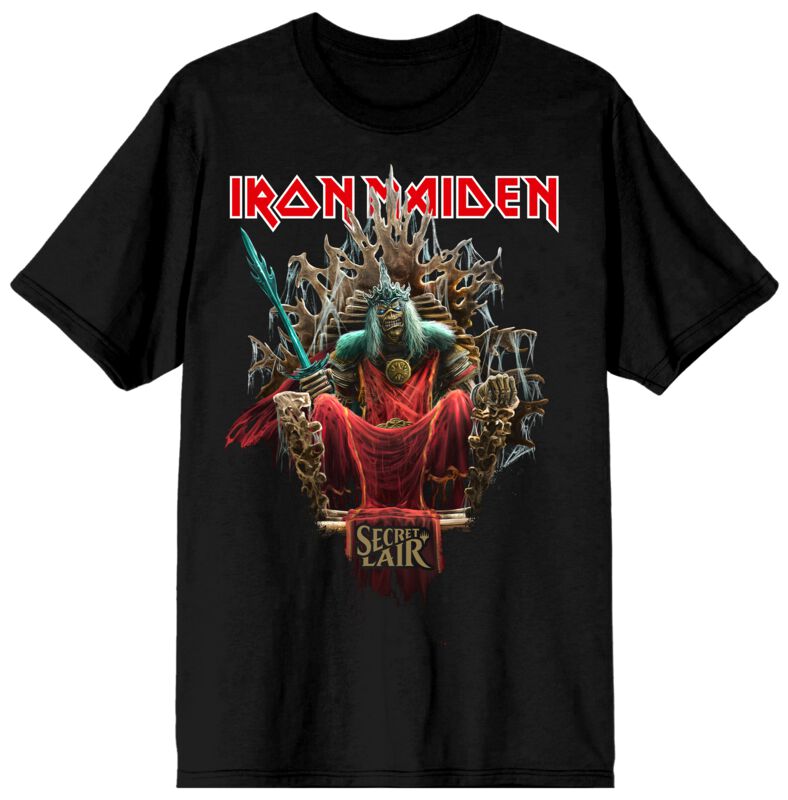
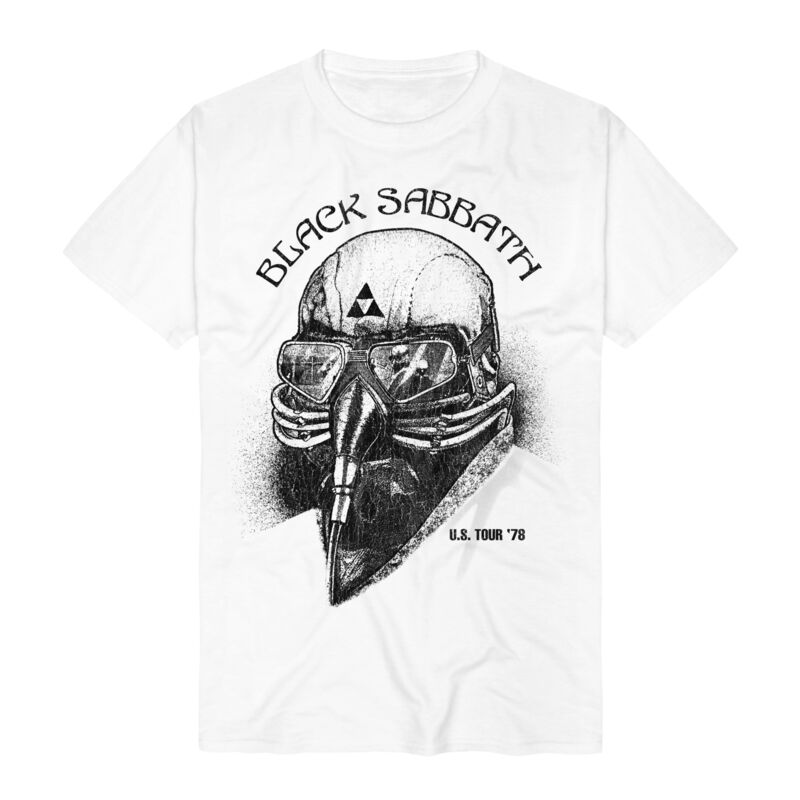
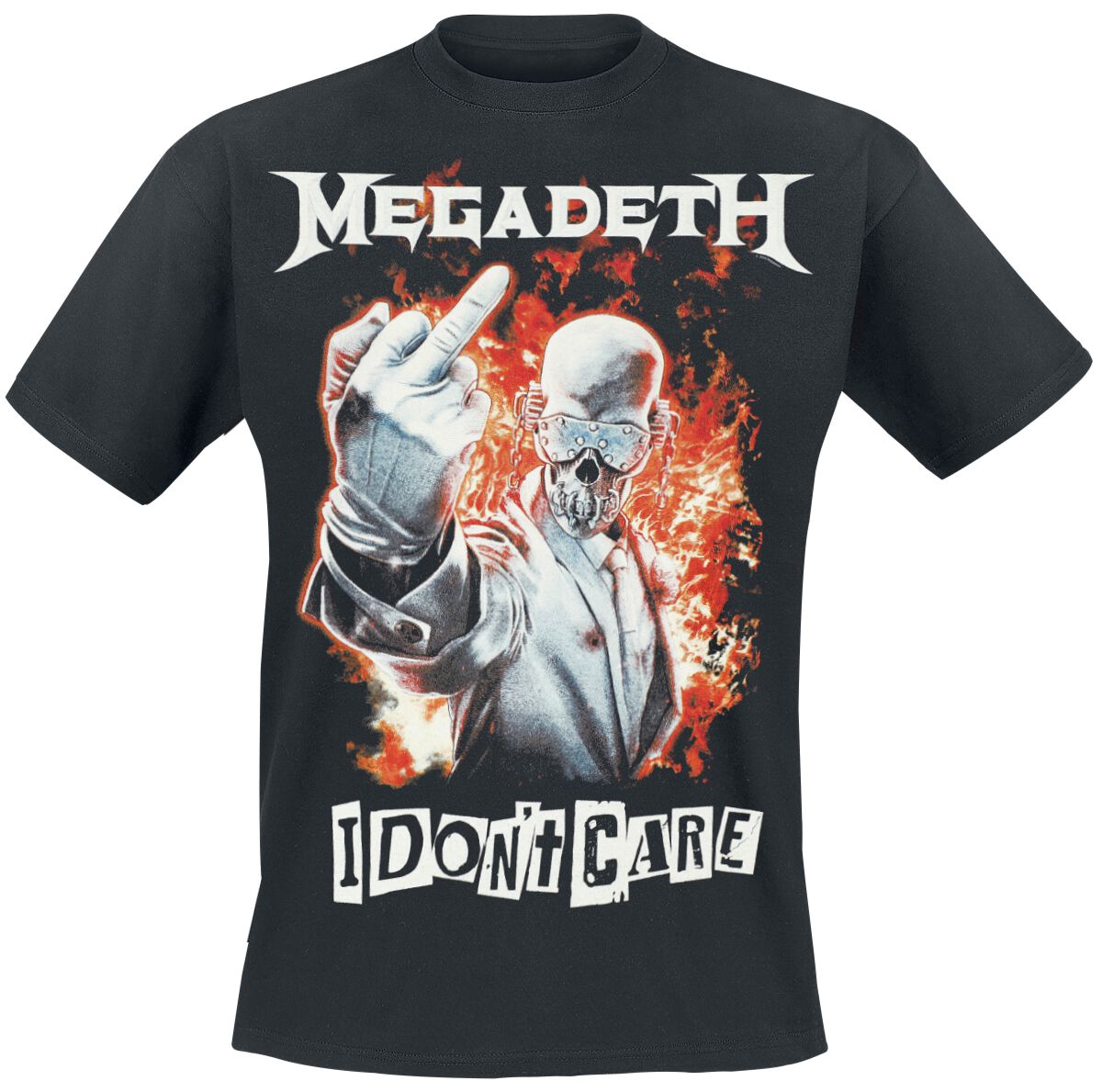


Affiliate links — we earn a commission on qualifying purchases at no extra cost to you.
Follow Us on Pinterest
Music Festival & Band Merch BoardShop the Gear
More from the Studded & Spiked collection
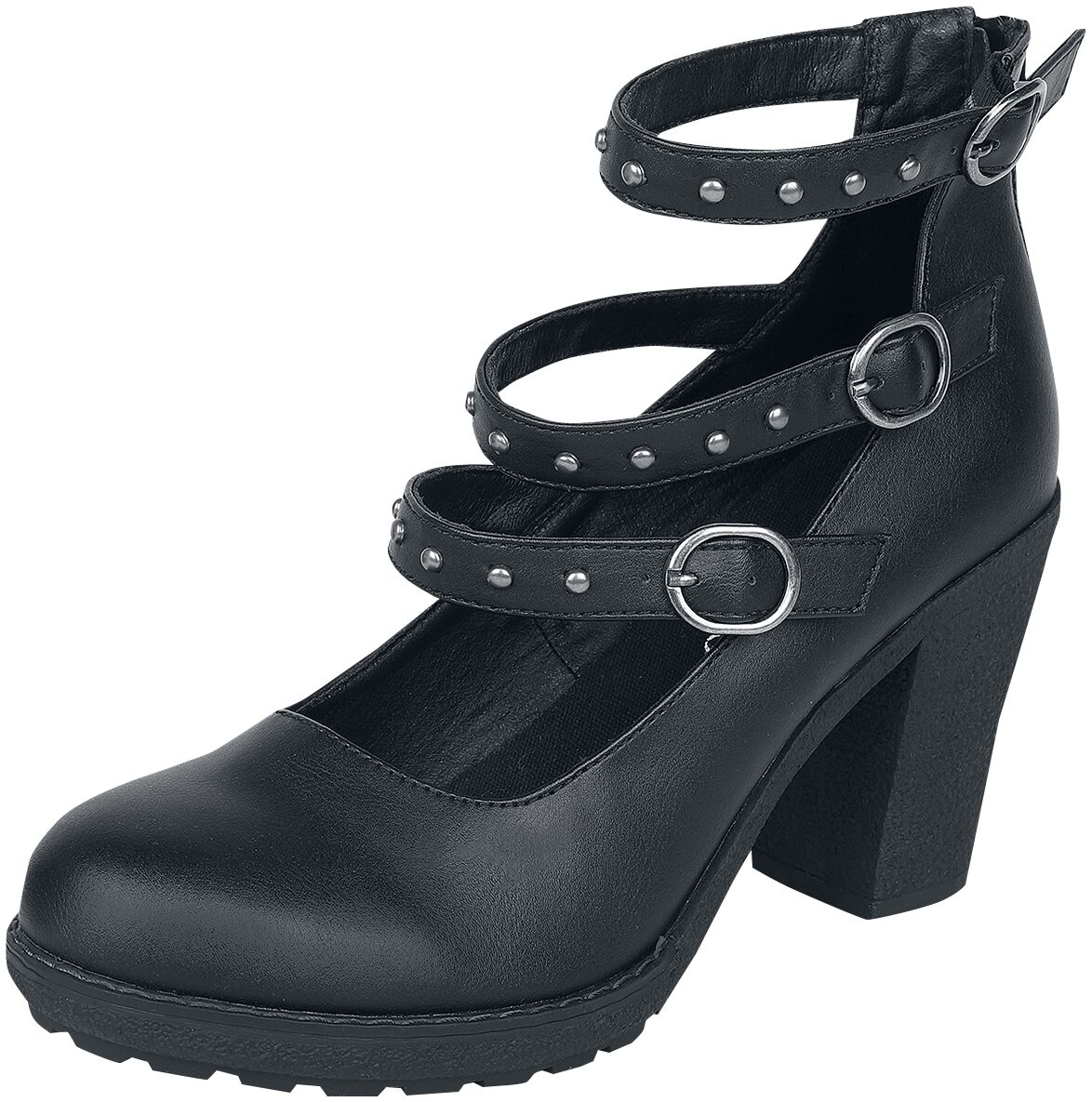
Gothicana by EMP
Gothicana by EMP High heels with straps and rivets High Heel black
£45.99
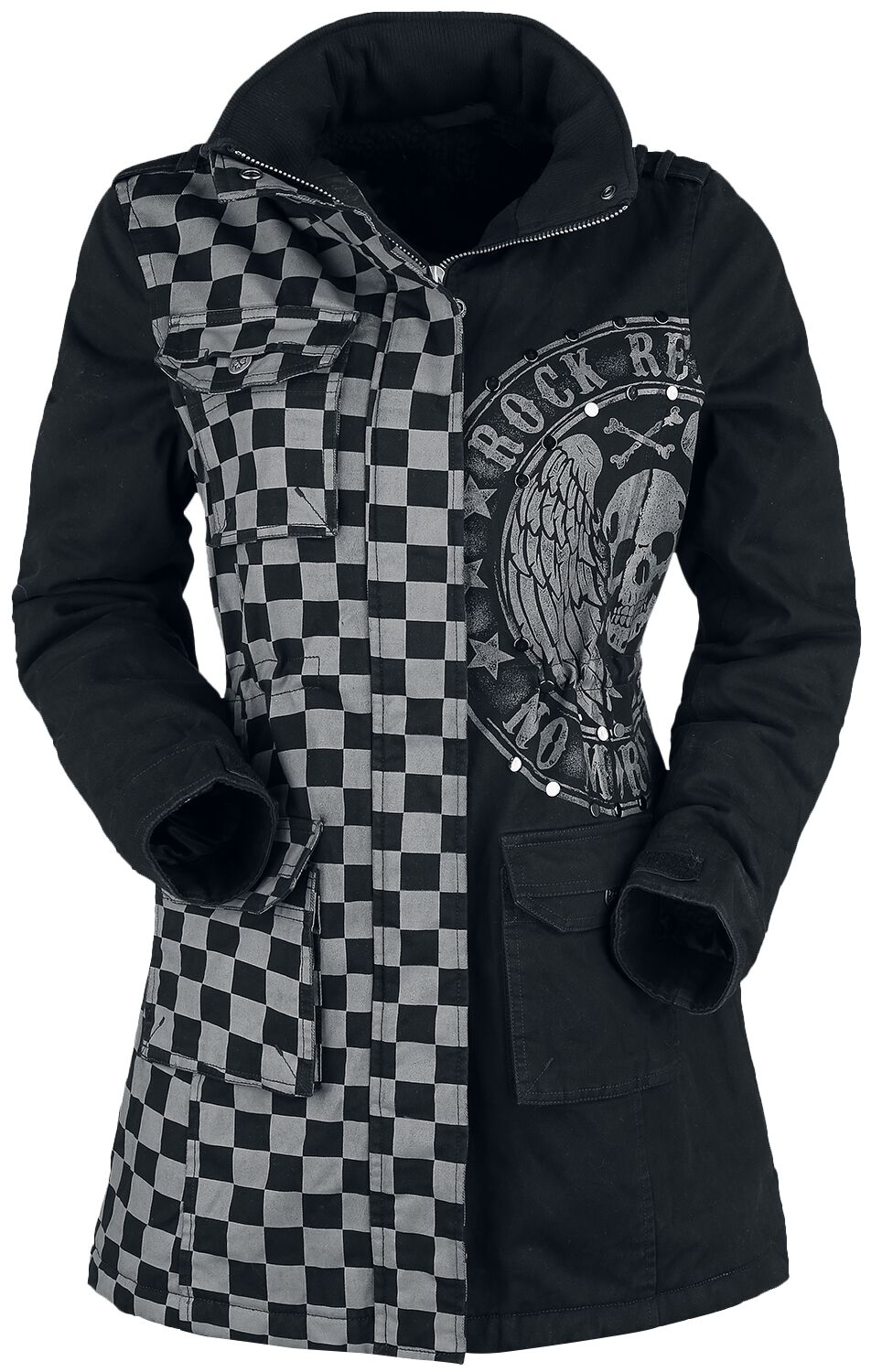
Rock Rebel by EMP
Rock Rebel by EMP Black/Grey Jacket with Studs and Print Winter Jacket grey black
£118.99

Vans
Vans - Authentic Studs Black - Girl Shoes
£89.99

T.U.K.
T.U.K. - Viva High Sole Black Spike N Chain - Girl Shoes - black - EU 38 - Synthetic/Textile/Rubber
£62.99

Black Premium by EMP
Black Premium by EMP Vest with pyramid studs Vest black
£36.99
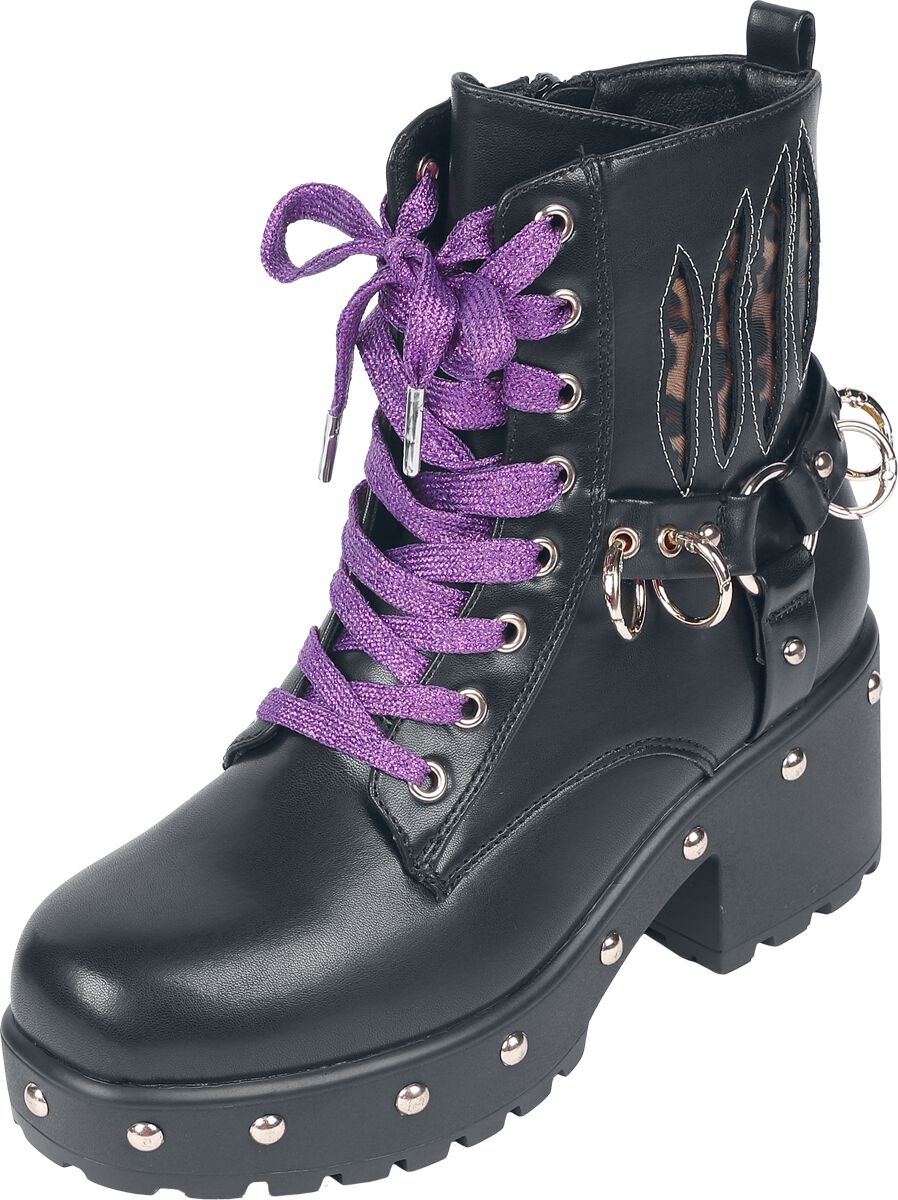
KOI
KOI Monster High - Lucia Werewolf Military Studded Boots Boot black
£86.99

Hello Kitty
Hello Kitty Cinnamoroll Stud Earring Set multicolour
£11.99

Foxblood
Foxblood - Kira Studded Black - Girl Shoes - black - EU 40 - Synthetic/Textile/Rubber,Fake Leather
£150.99

Mary Wyatt
Mary Wyatt - Sabrina Appleskin™ Vegan Leather Studded Mid-Rise Black - Belt
£56.99

Minga London
Minga London - Chained Studded Buckle - Belt
£16.99

Koi Footwear
Koi Footwear - Isolde Studded Chelsea Black - Girl Shoes - black - EU 41 - Synthetic/Textile/Rubber
£28.99

Bullet69
Bullet69 - 2 Row Conical Studded - Belt
£18.99
Share This Article

Branded vertical pin — ready to save & post to your own Pinterest board.
You May Also Like

Studs, Spikes & Chains: A Beginner's Guide to Metal Hardware Style
Studs aren't decoration. Spikes aren't costume. The hardware you bolt onto your jacket, belt and boots is a signature — and getting it wrong is worse than not doing it at all. Here's how to start, what to avoid, and where to buy stuff that survives.
Read Article
The 10 Best Combat Boots for Mosh Pits: Ranked by Durability and Comfort (2026)
Listen up. If you're heading into the summer festival circuit thinking your beat-up sneakers or those “fashion” boots are going to survive three days in the mud, you're in for a painful reality check. These are the only 10 boots that earn their keep.
Read Article
The 5 Best Portable Power Banks for Multi-Day Camping Festivals
Your phone doesn't die by accident. You just didn't prepare. At a festival, your phone is your flashlight, your meeting point, and your backup brain. If it dies, everything gets harder. Here are the power banks that actually keep up.
Read Article