
Solo at a Festival? How to Meet People and Stay Safe in the Metal Community
1. Showing Up Alone Isn’t the Problem
2. The Easiest Way to Meet People (Without Forcing It)

Anchor to a Stage
Pick one stage for the day and post up near the same spot between bands. Everyone else is drifting — you become the familiar face.
Say Yes Early
If someone invites you for a drink or food on day one, take it seriously. That's usually where entire weekend crews start.
3. Campsite Culture Is Where It Happens
Be Visible
A chair outside your tent and some audible music is an open invitation. A zipped-up tent says leave me alone.
4. Staying Safe Without Killing the Experience

Valuables Tethered
Phone on a coiled tether, wallet in an internal zipped pocket, keys on a carabiner clipped inside your vest.
Share Location
Drop a pin to one trusted person before you head out. Not a public story — a private message to someone who'd actually notice if you went dark.
Trust the Gut
A bad feeling is data. If somewhere feels off — a camp, a route, a group — just move. You owe strangers nothing.
5. The Biggest Risk Isn’t Danger, It’s Burnout
6. Night Time Changes Everything
Why Going Solo Actually Works Here
Shop Official Merch

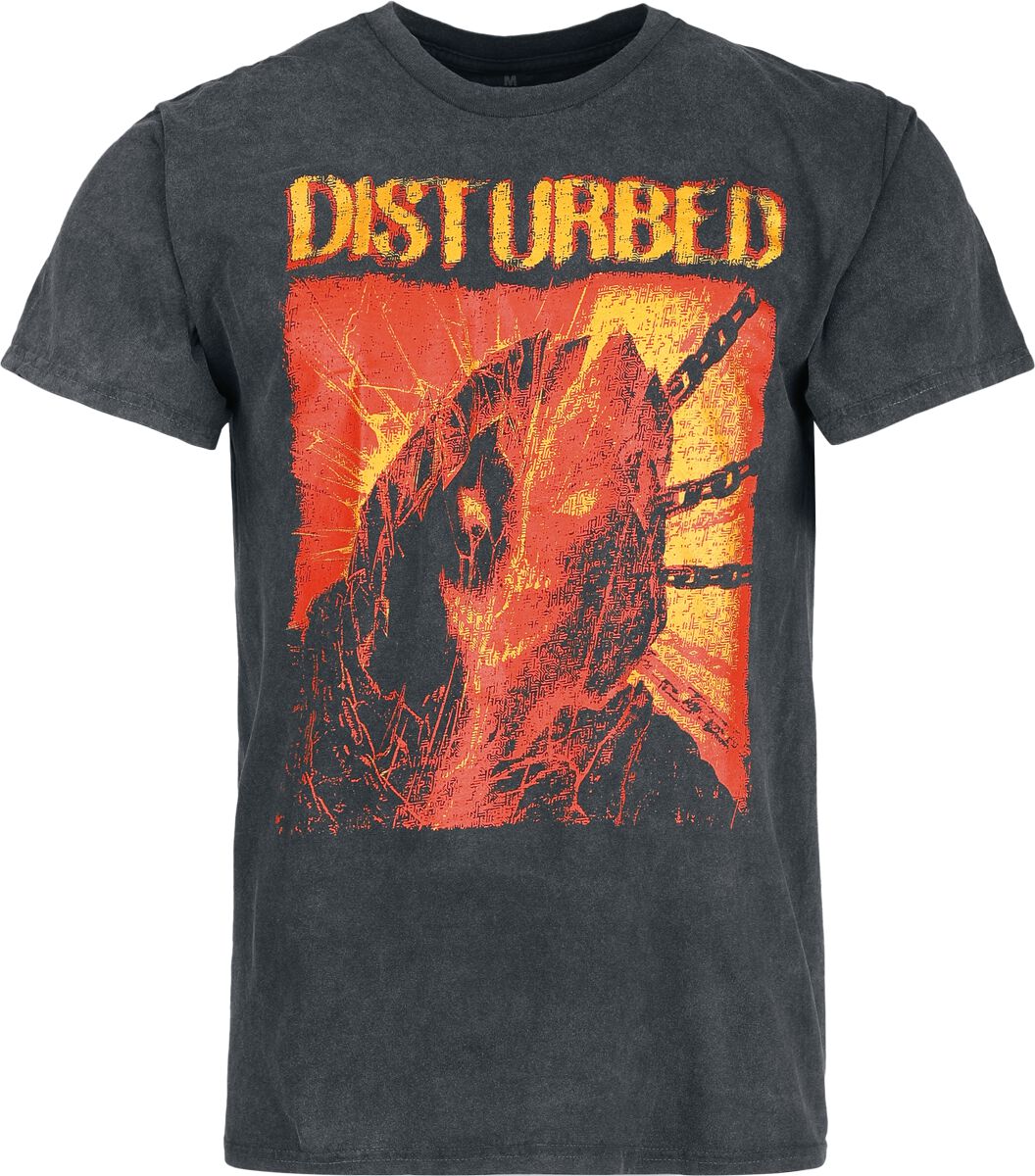
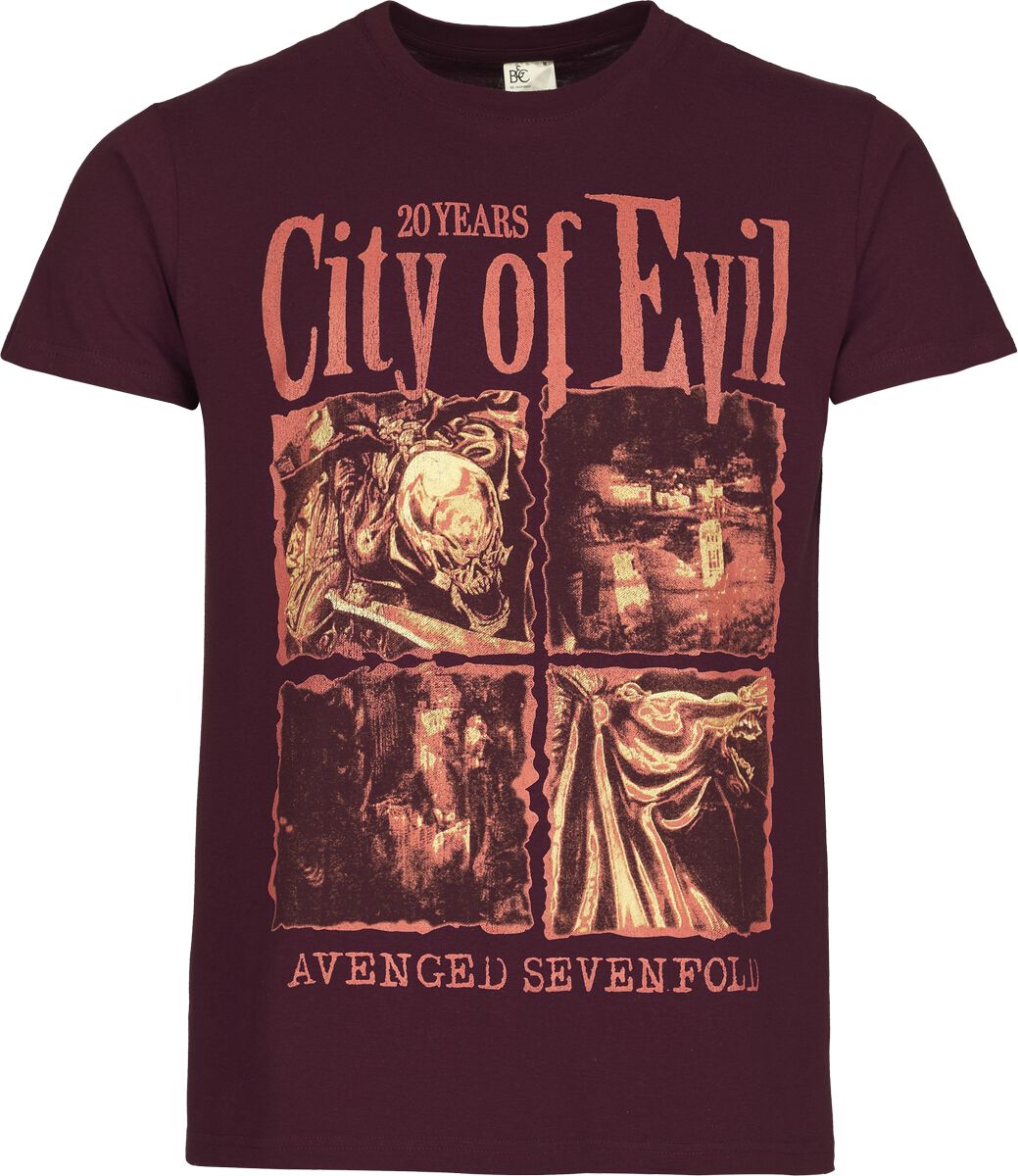
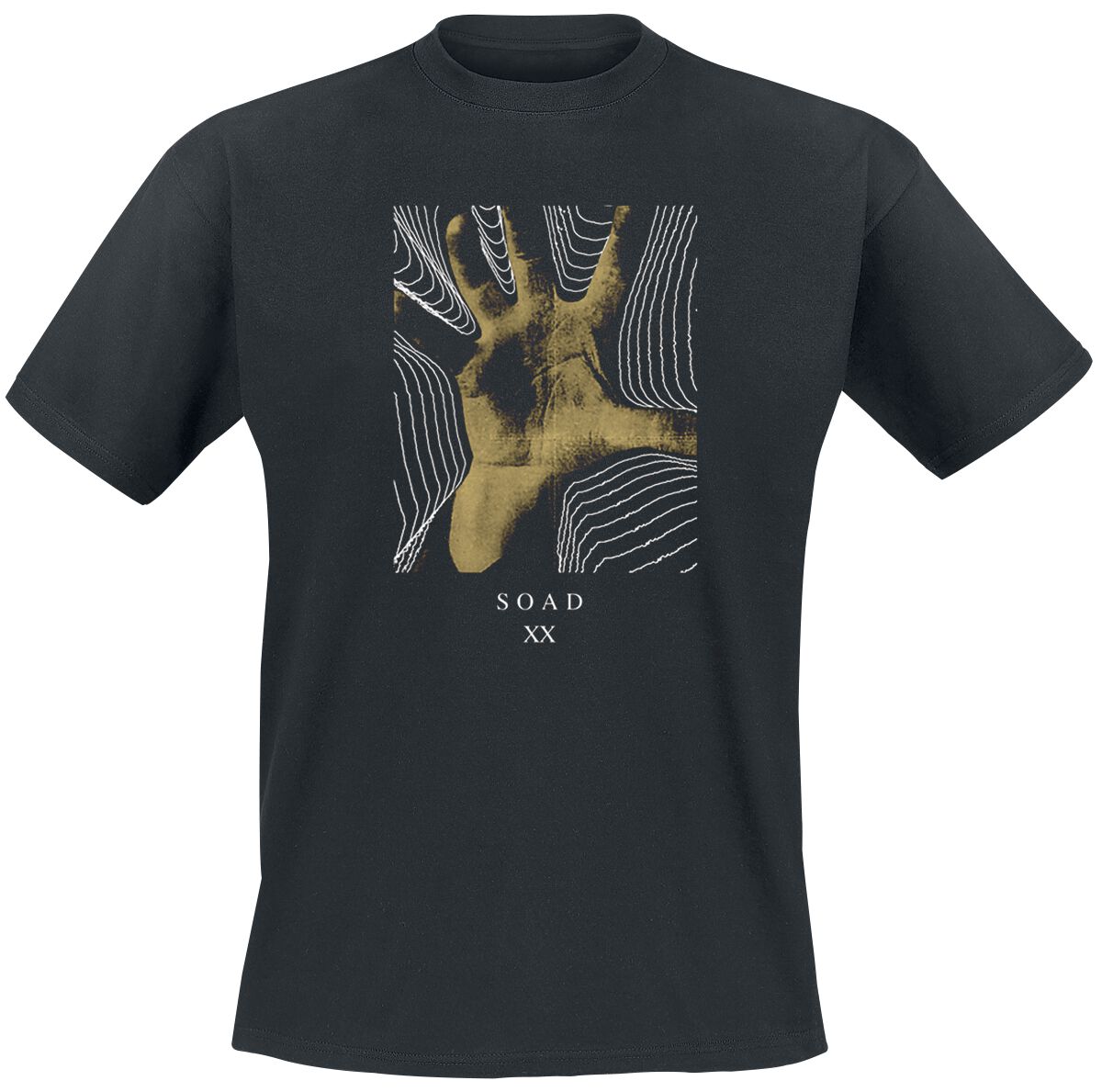


Affiliate links — we earn a commission on qualifying purchases at no extra cost to you.
Follow Us on Pinterest
Music Festival & Band Merch BoardShop the Gear
More from the Festival Gear collection
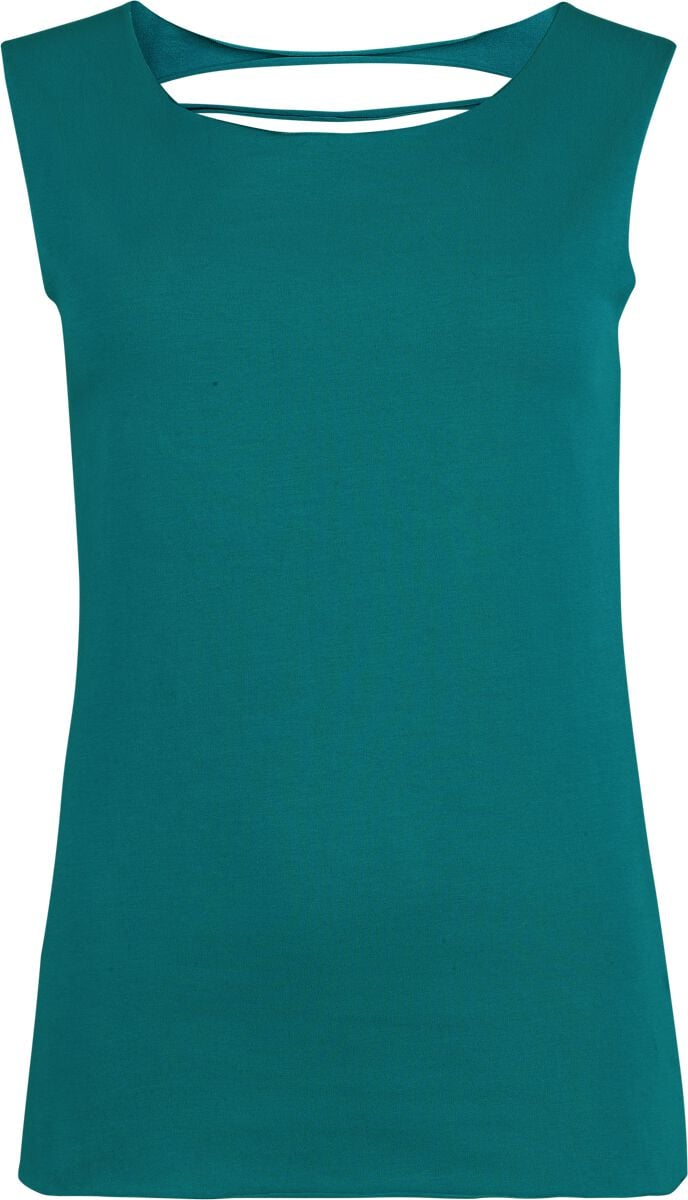
RED by EMP
RED by EMP Nothing to Lose Top turquoise
£11.99
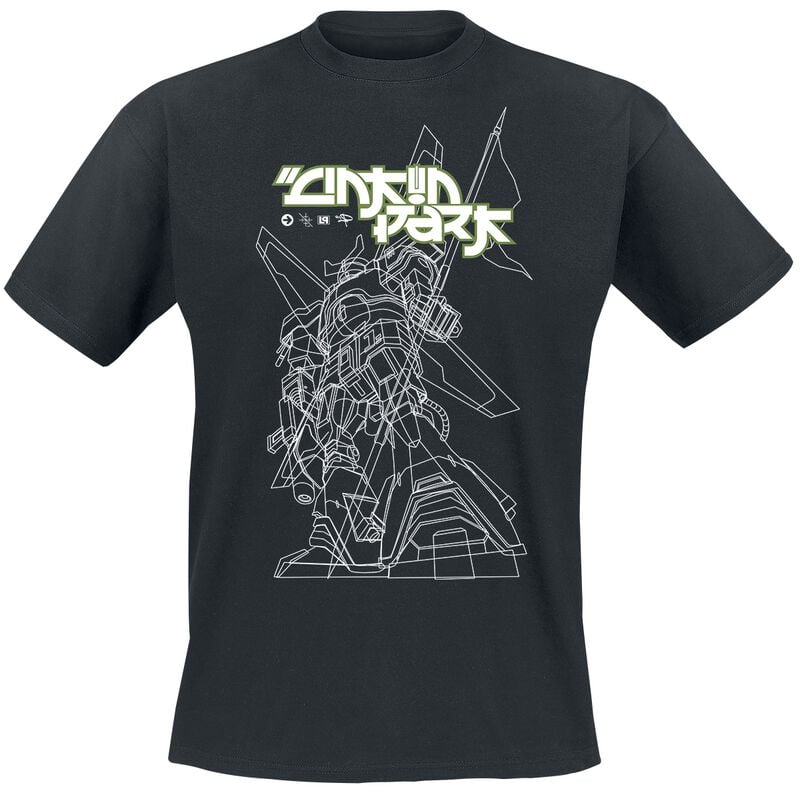
Linkin Park
Linkin Park Reanimation Mega Bot T-shirt black
£18.99
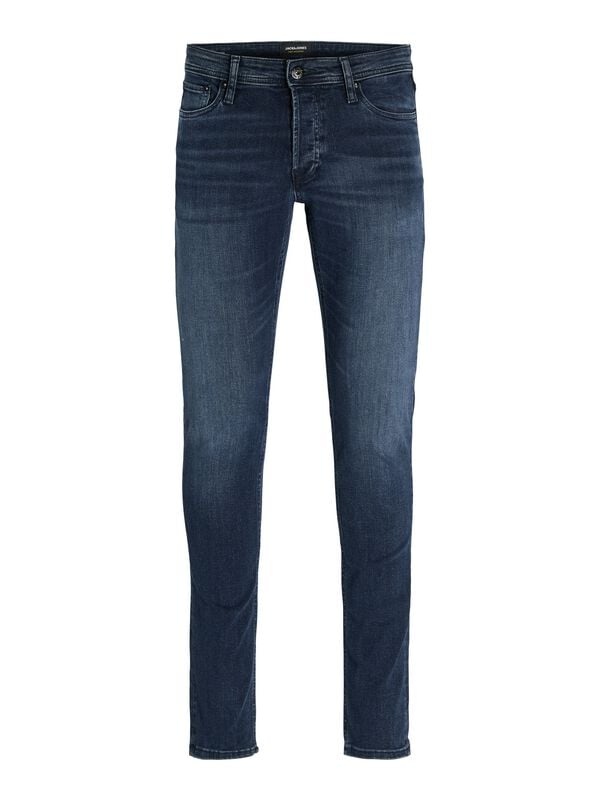
jack & jones
Jack & Jones JJIGLENN Jeans dark blue
£36.99

Parkway Drive
Parkway Drive - Devils Trick - Patch
£7.99

Noisy May
Noisy May - Ruby PU Black - Skort
£42.99

REELL
REELL - Surface Waffle Deep Black - Shorts
£34.99
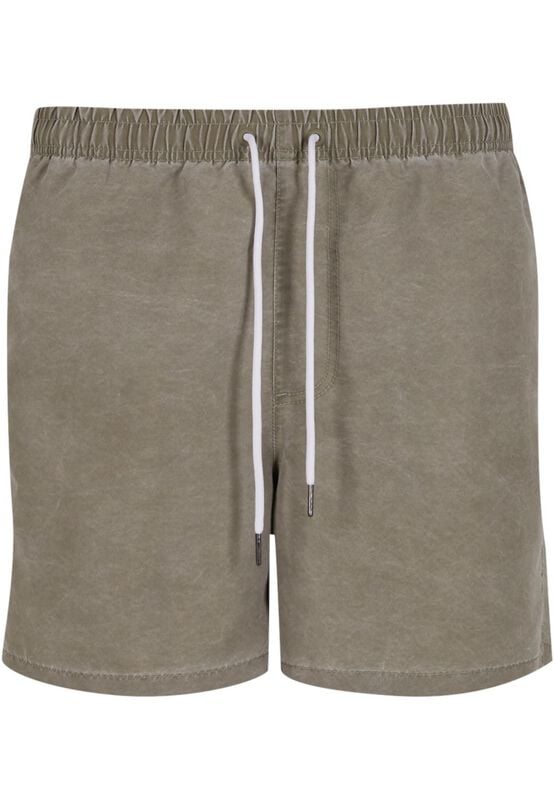
Urban Classics
Urban Classics Washed Swim Shorts Swim Shorts olive
£18.99
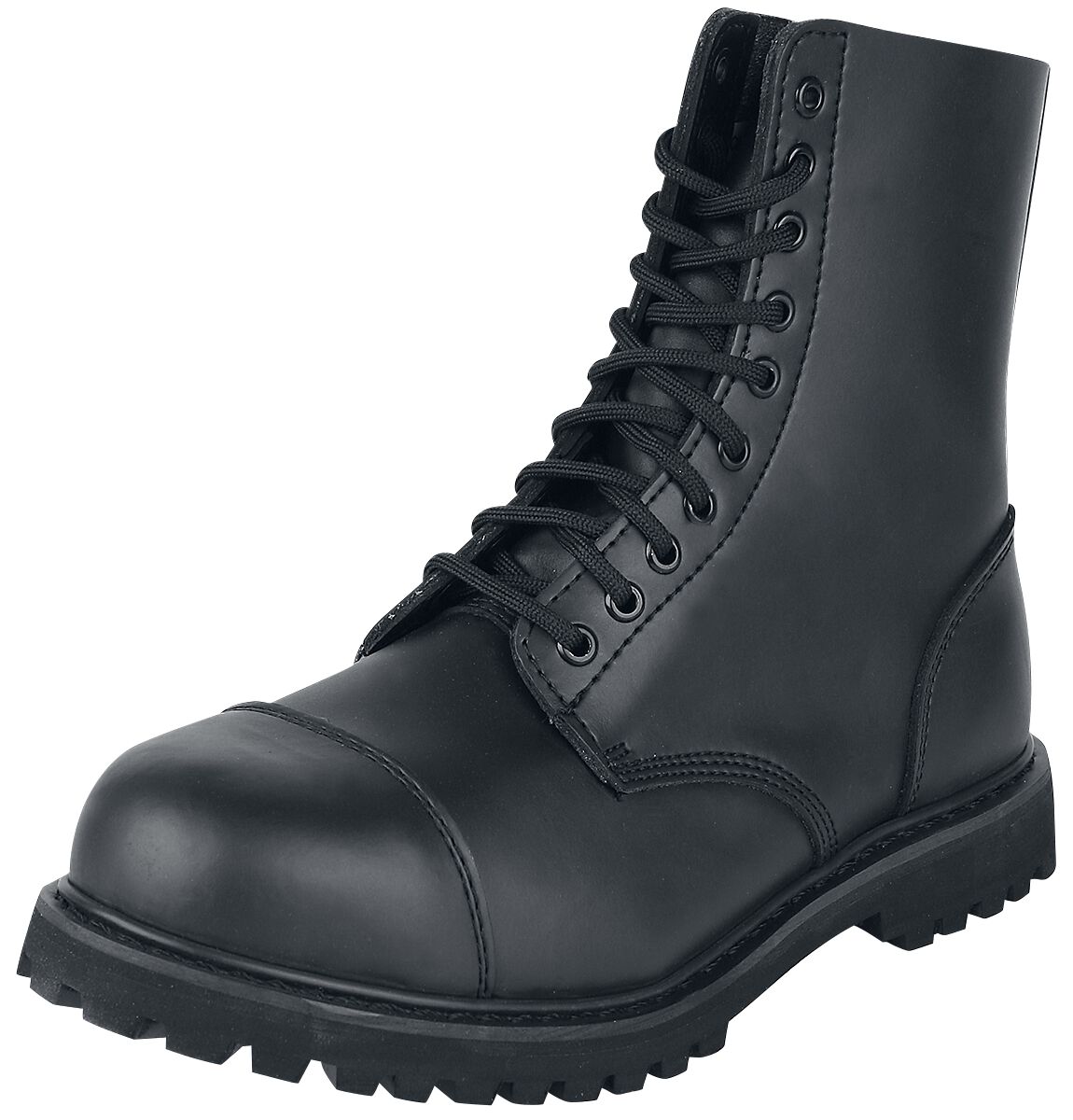
Brandit
Brandit Phantom 10 Hole Boot black
£36.99

metallica
Metallica Santa Hat Logo T-shirt black
£20.99
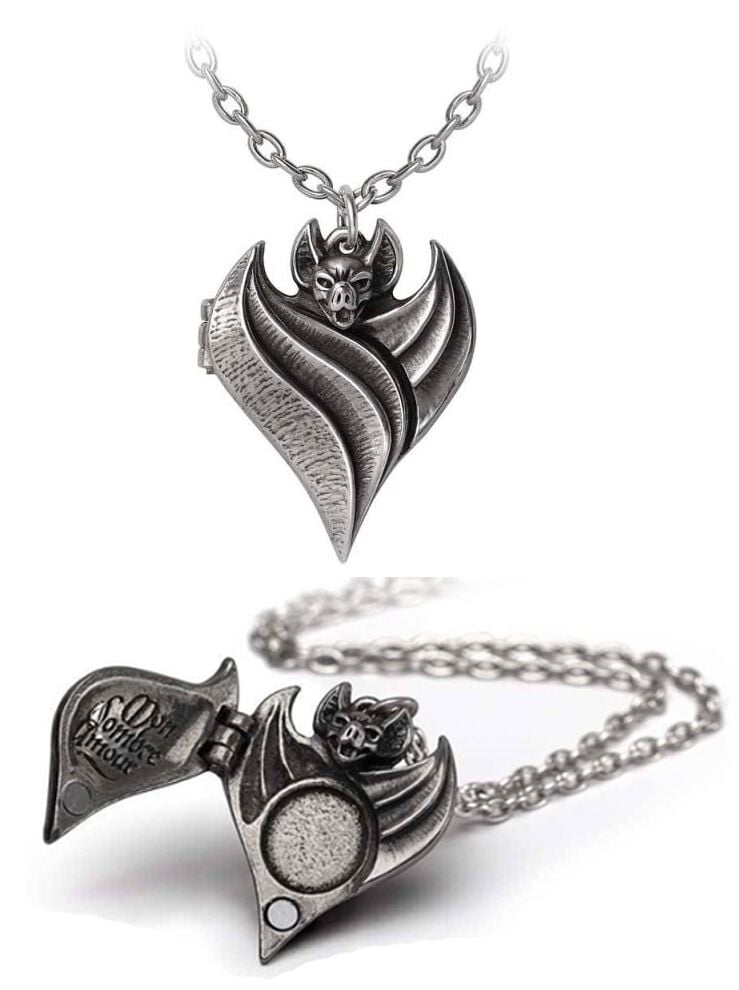
Alchemy Gothic
Alchemy Gothic Darken Heart Locket Necklace multicolor
£33.00
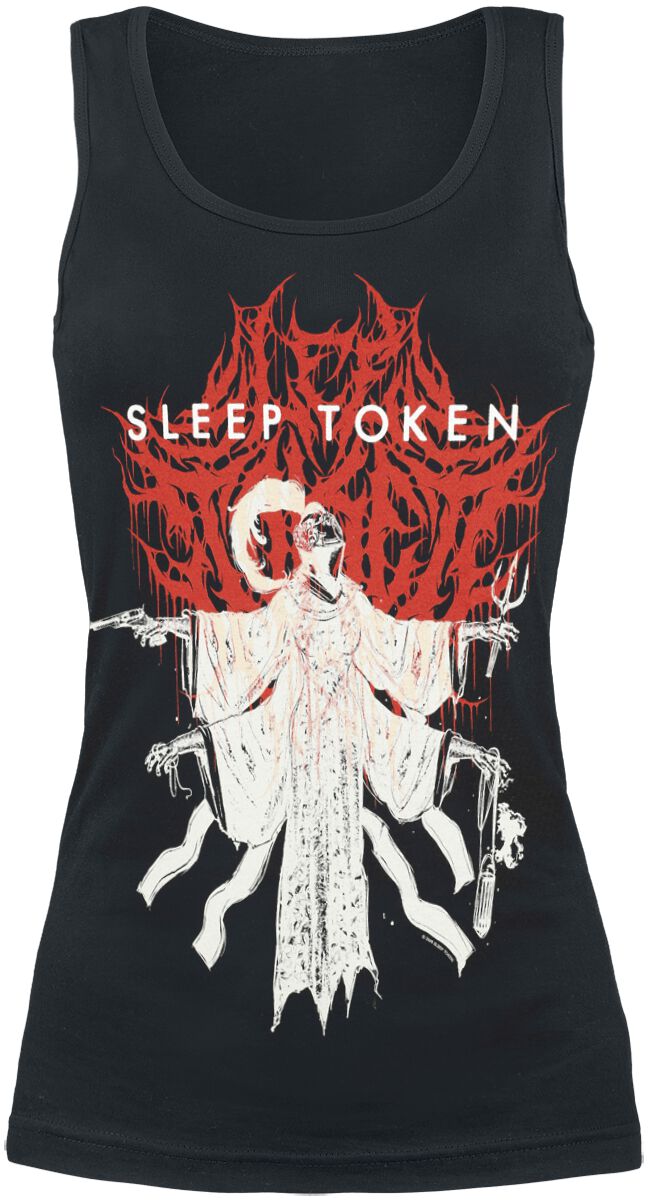
Sleep Token
Sleep Token Ascensionism Metal Top black
£13.99

Vans
Vans - Authentic Chou Chou Marshmallow - Girl Shoes - beige - EU 40,5 - Textile/Textile/Rubber
£52.99
Share This Article

Branded vertical pin — ready to save & post to your own Pinterest board.
You May Also Like

The Ultimate Guide to High-Fidelity Earplugs: Protecting Your Hearing Without Losing the Sound
Ringing in your ears isn't a badge of honour. It's the sound of your hearing dying. In 2026 there's no excuse — high-fidelity earplugs drop the decibels without making the band sound like it's playing underwater.
Read Article
Wacken Open Air 2027 Lineup: 47 Bands Announced & Where to Shop the Official Gear
W:O:A 2027 is locked in for 28 - 31 July, and 47 bands are already confirmed - Five Finger Death Punch, an exclusive Helloween anniversary show, and a bill stacked from top to bottom. Here's who's in, and where to grab the official gear before the queues form.
Read Article
Wacken 2026: The 35th Anniversary Lineup Guide (And the Merch to Match)
Judas Priest, Def Leppard, Lamb Of God, Savatage and the biggest single band announcement in Wacken history. Here's every corner of the 35th anniversary bill broken down, plus the official merch to wear when you get there.
Read Article